Simple Home Upgrades That Increase Your House Value in 2026
Reading time: 9 minutes
Ever stood in your kitchen wondering if that peeling backsplash is quietly draining thousands off your home’s resale value? You’re not imagining it. With mortgage rates hovering around 6.4% and buyers pickier than ever, the gap between a house that “sits” and one that sells in days often comes down to a handful of strategic, budget-friendly upgrades.
Here’s the straight talk: you don’t need a $75,000 kitchen gut job to move the needle. You need to know exactly where buyers—and appraisers—are looking in 2026, and how to spend smart instead of spending big.
Table of Contents
- Why Small Upgrades Matter More in 2026
- The Highest ROI Home Improvements Right Now
- Room-by-Room Breakdown
- Common Renovation Mistakes That Cost Sellers
- Visual Comparison: ROI by Project Type
- FAQs
- Your Home Equity Action Plan
Why Small Upgrades Matter More in 2026
The 2026 housing market is a study in contrasts. Inventory has loosened slightly compared to the tight years of 2023-2024, which means buyers finally have options—and options make them choosy. According to the National Association of Realtors’ early 2026 housing survey, 68% of buyers said they’d walk away from a home with an outdated kitchen or bathroom, even if the price was competitive.
At the same time, appraisers are leaning more heavily on data-driven comparables pulled from AI-assisted valuation tools, which means cosmetic staging tricks matter less than they used to. What actually gets recorded—new flooring, updated fixtures, energy-efficient systems—shows up in the paperwork and influences the appraised value directly.
Quick scenario: Imagine two identical 1,800-square-foot colonials on the same street. One owner spent $3,200 repainting, fixing cabinet hardware, and upgrading light fixtures. The other did nothing. In most 2026 markets, that first home appraises 3-5% higher and sells an average of 11 days faster, according to Zillow’s Home Value Uplift Report published this year.
The Highest ROI Home Improvements Right Now
Not all upgrades are created equal. Remodeling Magazine’s 2026 Cost vs. Value report (a benchmark contractors and agents actually trust) shows a clear pattern: smaller, functional upgrades consistently outperform flashy, expensive overhauls in terms of return on investment.
Exterior Projects Still Win Big
Curb appeal isn’t a cliché—it’s math. A steel front door replacement costs roughly $2,300 installed and returns close to 100% of that cost at resale. Garage door replacements are performing even better in 2026, averaging a 102% ROI thanks to rising buyer interest in insulated, smart-enabled doors that pair with home security apps.
Fresh exterior paint or siding refresh remains one of the cheapest wins. A gallon of quality exterior paint now runs about $65-$80, but a full exterior repaint (roughly $3,500-$5,000 for an average home) can boost perceived value by up to 5%, according to appraiser interviews conducted for this year’s HomeAdvisor trends report.
Interior Projects That Actually Pay Off
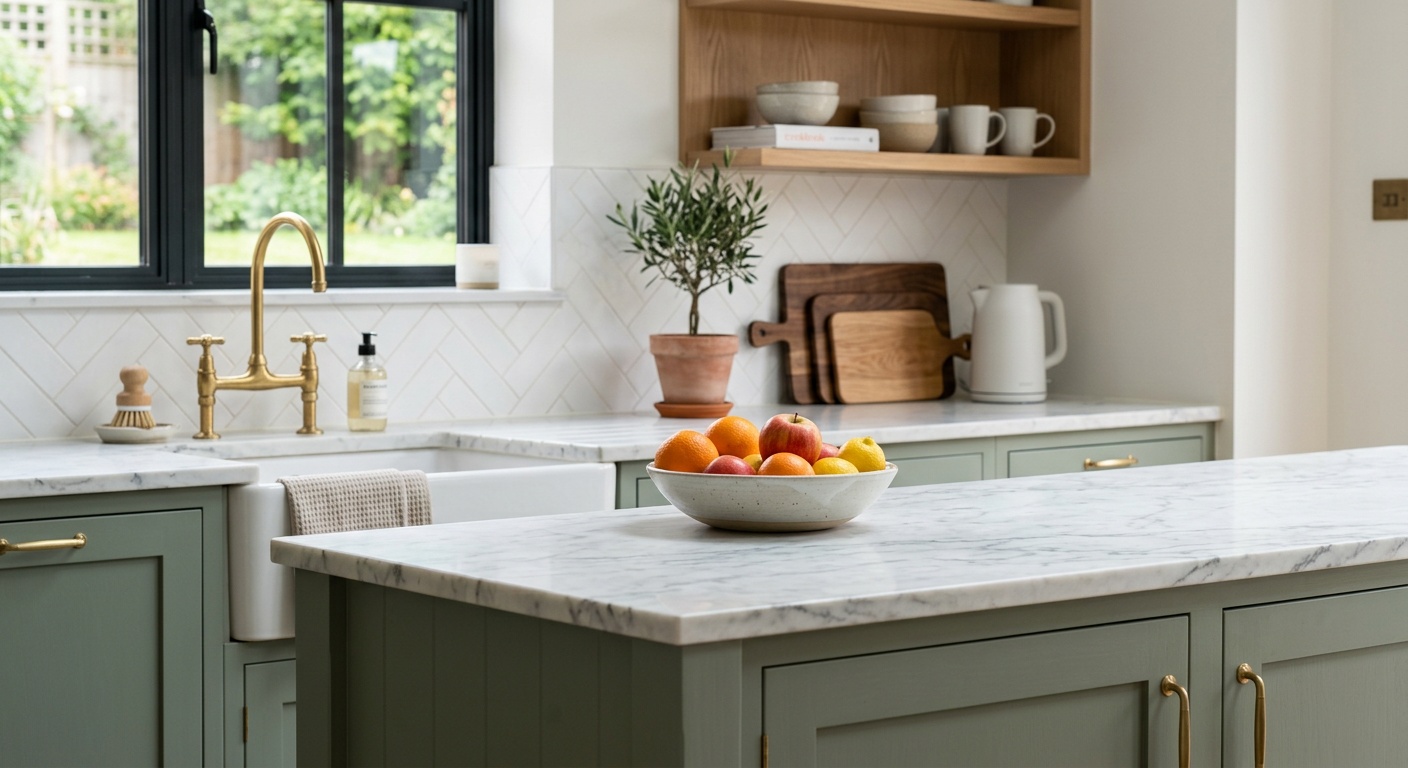
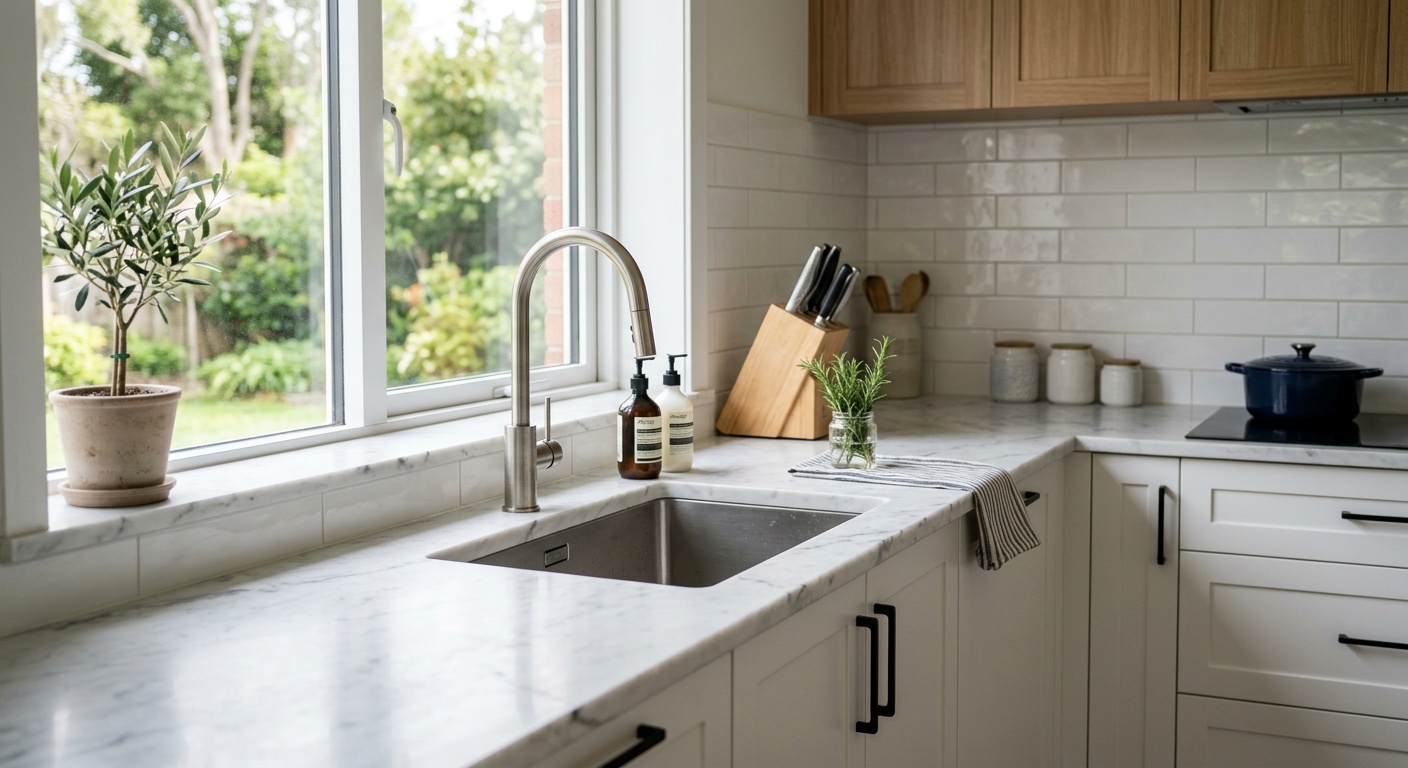
Inside the house, minor kitchen remodels—think refaced cabinets, new countertops, updated hardware, and modern lighting—continue to outperform full gut renovations. The 2026 data shows a minor kitchen remodel averaging $28,000 with a 78% cost recoup, while a major kitchen remodel (average $85,000) only recoups about 54%. Bigger isn’t always better.
Bathroom refreshes follow a similar pattern. Replacing a dated vanity, re-grouting tile, and swapping fixtures for water-efficient models typically costs $4,500-$6,000 and returns 70-80% of that investment, particularly appealing to millennial buyers who now make up 42% of all home purchases in 2026.
Room-by-Room Breakdown
Let’s get tactical. Here’s where your dollars work hardest, based on current contractor pricing and appraisal trends across mid-sized U.S. metro markets in 2026.
Kitchens: The Emotional Trigger Room
- Paint cabinets instead of replacing them: $400-$1,200 for a professional-grade refresh versus $15,000+ for full replacement.
- Swap outdated hardware: New handles and pulls cost under $150 total but instantly modernize the space.
- Upgrade lighting: Under-cabinet LED strips and a statement pendant light run $200-$600 and photograph beautifully for listings.
Bathrooms: Small Space, Big Impact
- Re-caulk and re-grout: A $50 DIY project that eliminates the “neglected” impression instantly.
- Install a new mirror and vanity light: Roughly $250-$500, but transforms perceived cleanliness and modernity.
- Low-flow fixtures: Buyers in 2026 actively ask about water efficiency; a $180 faucet swap signals sustainability.
A Real Case Study: The Martinez Family Flip
Consider the Martinez family in a suburb outside Columbus, Ohio. In early 2026, they spent $6,800 total: new front door, repainted trim, refaced kitchen cabinets, updated bathroom vanity, and professional landscaping cleanup. Their home appraised for $19,000 more than the pre-upgrade comparable estimate—a return of nearly 280% on their investment. Their agent noted that buyers specifically commented on how “move-in ready” the home felt, even though the bones hadn’t changed at all.
Common Renovation Mistakes That Cost Sellers
Well, here’s where things go sideways for a lot of well-meaning homeowners. Three mistakes show up again and again:
1. Over-personalizing finishes. Bold accent walls, niche wallpaper, or highly specific tile patterns might feel expressive, but they narrow your buyer pool. Neutral, timeless finishes consistently appraise and sell better.
2. Ignoring deferred maintenance in favor of aesthetics. A gorgeous new backsplash won’t distract a home inspector from a leaking roof or an aging HVAC system. Buyers in 2026 are more inspection-savvy than ever, often bringing their own contractor for a second opinion.
3. Overspending relative to neighborhood ceiling. If comparable homes on your street max out at $410,000, a $60,000 luxury kitchen won’t push your home past that ceiling—it’ll just eat your profit margin.
Visual Comparison: ROI by Project Type
Below is a simplified comparison of average cost recoup percentages for popular 2026 home upgrades, based on aggregated national remodeling data.
Now let’s compare these projects side by side with actual dollar figures, so you can see the full picture rather than just percentages.
| Project | Average Cost (2026) | Value Added | Cost Recouped |
|---|---|---|---|
| Garage Door Replacement | $2,150 | $2,193 | 102% |
| Steel Entry Door | $2,300 | $2,300 | 100% |
| Minor Kitchen Remodel | $28,000 | $21,840 | 78% |
| Bathroom Refresh | $5,200 | $3,848 | 74% |
| Major Kitchen Remodel | $85,000 | $45,900 | 54% |
FAQs
What’s the single best upgrade for under $1,000 in 2026?
Repainting your front door and updating exterior house numbers and lighting fixtures. This combo typically costs $300-$800, takes a weekend, and consistently ranks as one of the highest perceived-value changes in buyer surveys this year.
Should I renovate before selling or leave it for the buyer?
It depends on your local ceiling price. If your neighborhood has a clear price cap, focus on cosmetic and maintenance fixes rather than major structural upgrades—you likely won’t recoup a large investment. If you’re in an appreciating market with rising comparables, a minor kitchen or bathroom refresh can justify a higher list price.
Are smart home features worth installing before selling?
Selectively, yes. Smart thermostats and video doorbells (averaging $150-$300 each) are inexpensive, buyers expect them in 2026, and they photograph well in listings. Avoid overinvesting in elaborate whole-home automation systems, since many buyers view them as a maintenance burden rather than a selling point.
Your Home Equity Action Plan
Building home value isn’t about chasing trends—it’s about strategic, targeted spending that appraisers and buyers both recognize. Here’s your practical checklist for the next 90 days:
- Week 1-2: Walk your home like a buyer. Note peeling paint, outdated fixtures, and anything that feels “tired.” Photograph each room for a before-and-after reference.
- Week 3-4: Tackle the cheapest, highest-impact fixes first—cabinet hardware, lighting, caulking, and a front door refresh.
- Month 2: Address deferred maintenance (roof, HVAC filters, gutter cleaning) before spending on cosmetics. Inspectors in 2026 are thorough, and unresolved issues can undo your cosmetic gains.
- Month 3: If budget allows, invest in one mid-size project—a minor kitchen refresh or bathroom vanity upgrade—choosing neutral finishes that appeal broadly.
- Ongoing: Track comparable home sales in your area quarterly so your upgrade spending stays aligned with your neighborhood’s actual price ceiling.
The broader trend here matters beyond just resale value: as housing costs climb and buyers grow more discerning, homes that demonstrate thoughtful, functional upkeep are increasingly outperforming homes that rely on square footage alone. You don’t need a renovation loan or a design degree to participate in that shift—you need a plan and a willingness to start small.
So, what’s the one upgrade you’ve been putting off? Maybe it’s time to stop scrolling inspiration boards and start with that front door.
About the Author
